


Minnesota winters are relentless. When temperatures fall below zero for days or weeks at a time, your HVAC system needs to work hard to keep up with your needs. Behind the scenes, a network of sensors and safety switches constantly monitors performance to keep your home warm and your system safe. While these components offer protection, extreme cold can often push them to their limits. Understanding how HVAC sensors function and how deep-freeze conditions affect them can help you recognize warning signs and avoid breakdowns.
The Role HVAC Sensors Play in Your Heating System
Modern heating systems rely on multiple sensors and switches to operate efficiently. When everything works correctly, sensors communicate with the control board to adjust output and maintain comfort. In extreme cold weather, sensors become even more essential. If a sensor fails, your system may shut down unexpectedly or struggle to maintain heat when you need it most.
Temperature Sensors and Thermostats Under Extreme Cold
Temperature sensors measure indoor air, supply air, and sometimes, outdoor conditions. These readings help your system decide when to turn on, how long to run, and how hard to work. In subzero weather, temperature sensors face constant exposure to large temperature swings.
Outdoor sensors may ice over or become less accurate during deep freezes. Indoor sensors can misread conditions if there are restrictions in airflow or the furnace cycles excessively. When temperature sensors provide inaccurate readings, you may notice rooms feeling colder than expected or the system running longer without improving comfort.
Flame Sensors and Ignition Safety in Freezing Conditions
Flame sensors confirm that your gas furnace ignites properly and continues burning safely. During Minnesota cold snaps, furnaces ignite more frequently, which increases wear on ignition components. Cold temperatures can cause condensation, dirt buildup, or minor corrosion on flame sensors. When a flame sensor struggles to detect ignition, your furnace may shut down shortly after starting or fail to stay running. This safety response prevents gas buildup but can leave you without heat.
Pressure Switches and Venting Challenges
Pressure switches monitor airflow through the heat exchanger and venting system. They ensure combustion gases exit safely through the flue. Deep cold increases the chance of ice forming in exhaust or intake pipes, especially when snow accumulates or moisture freezes inside vents. If a pressure switch senses restricted airflow, it shuts down the system to prevent dangerous exhaust backup. You may mistake this safety shutdown for a system failure, but it often will signal a venting issue caused by ice or snow.
Limit Switches and Overheating Protection
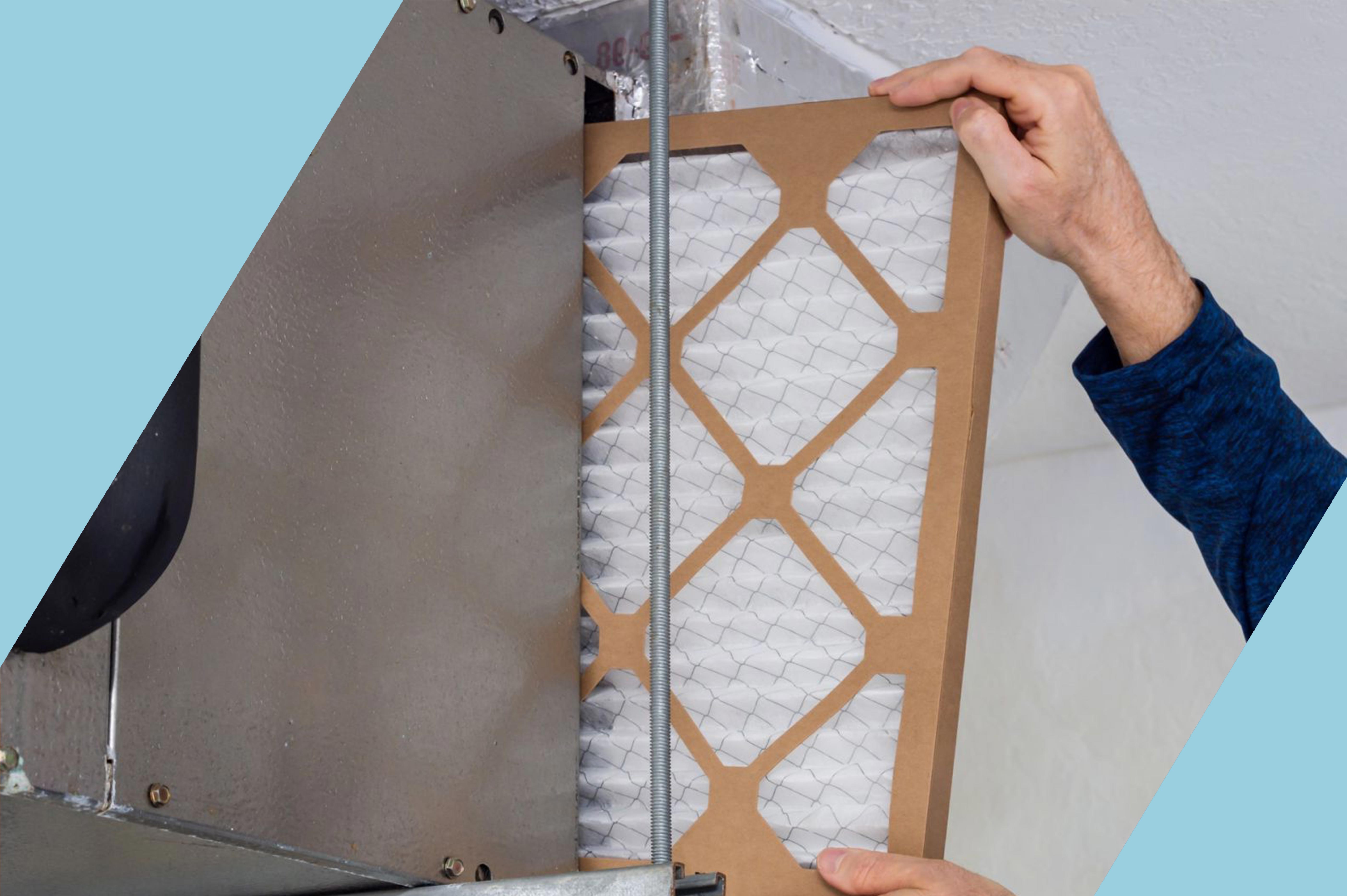
Limit switches protect your furnace from overheating by monitoring internal temperatures. When airflow decreases because of dirty filters or blocked vents, heat builds up inside the unit. During prolonged winter operation, restricted airflow places additional strain on limit switches. Frequent shutdowns caused by tripped limit switches indicate maintenance issues rather than major equipment failure. Replacing filters regularly and scheduling professional heating maintenance can prevent these disruptions.
Electrical Sensors and Safety Controls in Cold Weather
Extreme cold affects more than airflow and combustion. Cold weather can stiffen wiring, expose weak electrical connections, and increase startup loads. If sensors detect abnormal electrical conditions, the system may lock you out for safety reasons. These shutdowns protect expensive components but require a professional diagnosis from our team to resolve.
Warning Signs That Sensors or Safety Switches Need Attention
When sensors struggle in deep freeze conditions, your system often provides warning signs. You may notice frequent cycling, unexpected shutdowns, inconsistent heating, or error codes on the thermostat or furnace control panel. Some systems may attempt multiple restarts before "locking out" completely. Never ignore unusual behavior during extreme cold. These often indicate that sensors or switches are responding to unsafe conditions.
Why Pre-Winter HVAC Maintenance Matters
Preventive maintenance prepares sensors and safety controls for the demands of Minnesota winters. During a professional maintenance session, we inspect and clean flame sensors, verify the pressure switch operation, test limit switches, check electrical connections, and confirm accurate thermostat readings. This proactive approach reduces emergency calls, improves efficiency, and helps your system handle prolonged cold without interruption.
When to Call AMi Home Services for Repairs
If your system repeatedly shuts down, displays error codes, emits unusual smells, or fails to maintain safe indoor temperatures, it is time to call for heating repair. At AMi Home Services, we understand Minneapolis winters and how extreme cold negatively impacts HVAC sensors and safety switches.
Our technicians accurately diagnose issues and quickly restore safe operation. We also offer cooling and heating services. Contact us today to book an appointment.