


Winter in Minnesota brings freezing temperatures and long stretches of indoor living. While these conditions keep homes warm, they also create the perfect environment for static electricity. You might feel it when you touch a doorknob, shuffle across carpet, or handle laundry. These shocks are more than an annoyance. They signal extremely dry indoor air, which can affect comfort, electronics, and overall indoor air quality. Your HVAC system plays a role in how much static builds up and how effectively you can reduce it.

Why Static Electricity Increases During Minnesota Winters
Cold outdoor air holds very little moisture. When that air enters your home and warms up, its humidity level drops even further. Heating systems then circulate this dry air throughout the house, creating ideal conditions for static buildup. Static electricity forms when two materials rub together and exchange electrons. In dry environments, that electrical charge has nowhere to go, so it builds until it releases as a spark.
Minnesota winters intensify this effect because homes stay closed up for months and heating systems run almost constantly. Carpet, synthetic fabrics, and upholstered furniture all contribute to the problem. Each step across the floor or movement on a couch can generate a charge. Without enough humidity in the air, those charges remain until they discharge through contact with metal surfaces or other people.
How Dry Air Affects More Than Just Static
Static shocks represent only one symptom of low indoor humidity. Dry air can also cause discomfort and health concerns throughout winter. Skin becomes irritated and itchy, nasal passages dry out, and respiratory irritation becomes more noticeable. Wooden furniture, flooring, and musical instruments can crack or shift as moisture levels drop. Electronics and sensitive equipment also face additional risk because static discharges can damage internal components.
The HVAC System’s Role in Static Buildup
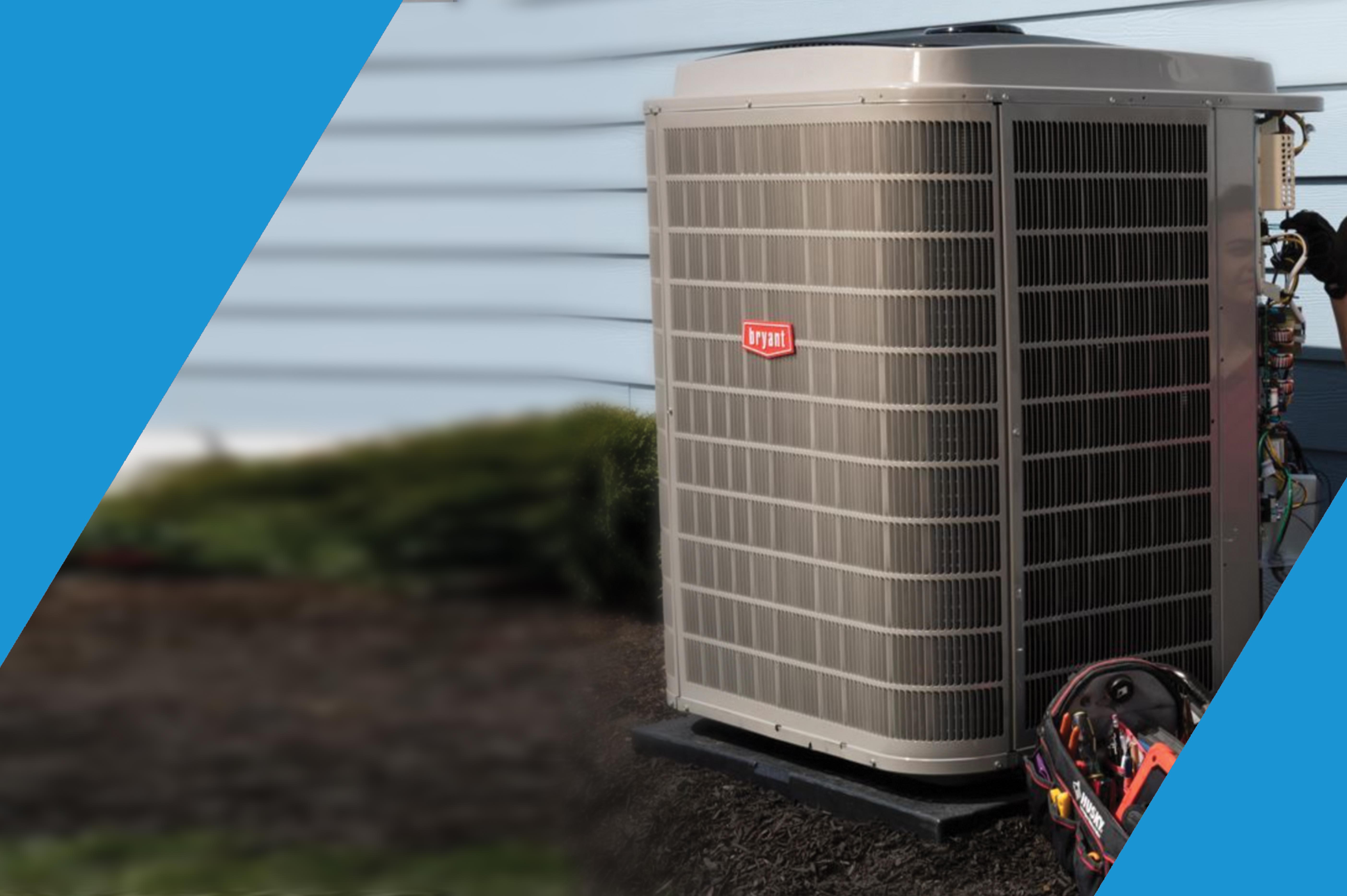
Your HVAC system circulates air continuously, which means it influences humidity levels. During winter, furnaces and heat pumps warm the air but do not add moisture. As heated air moves through ductwork and your living spaces, humidity drops further. If airflow becomes unbalanced or filters restrict circulation, some areas may feel drier than others. Rooms with poor ventilation or heavy heating demand often experience stronger static effects. Your HVAC system does not directly cause static, but it shapes the environment where static thrives. When humidity remains low, every heating cycle contributes to dry conditions.
How HVAC Solutions Can Reduce Static Electricity
The most effective way to control static is to restore moisture to the air. HVAC-integrated solutions provide consistent humidity rather than temporary relief.
Whole-Home Humidifiers
A whole-home humidifier connects directly to your HVAC system and distributes moisture evenly as air circulates. This approach helps maintain balanced humidity levels throughout the entire house rather than targeting a single room. When indoor humidity stays within the recommended range, static buildup decreases.
Proper Airflow Management
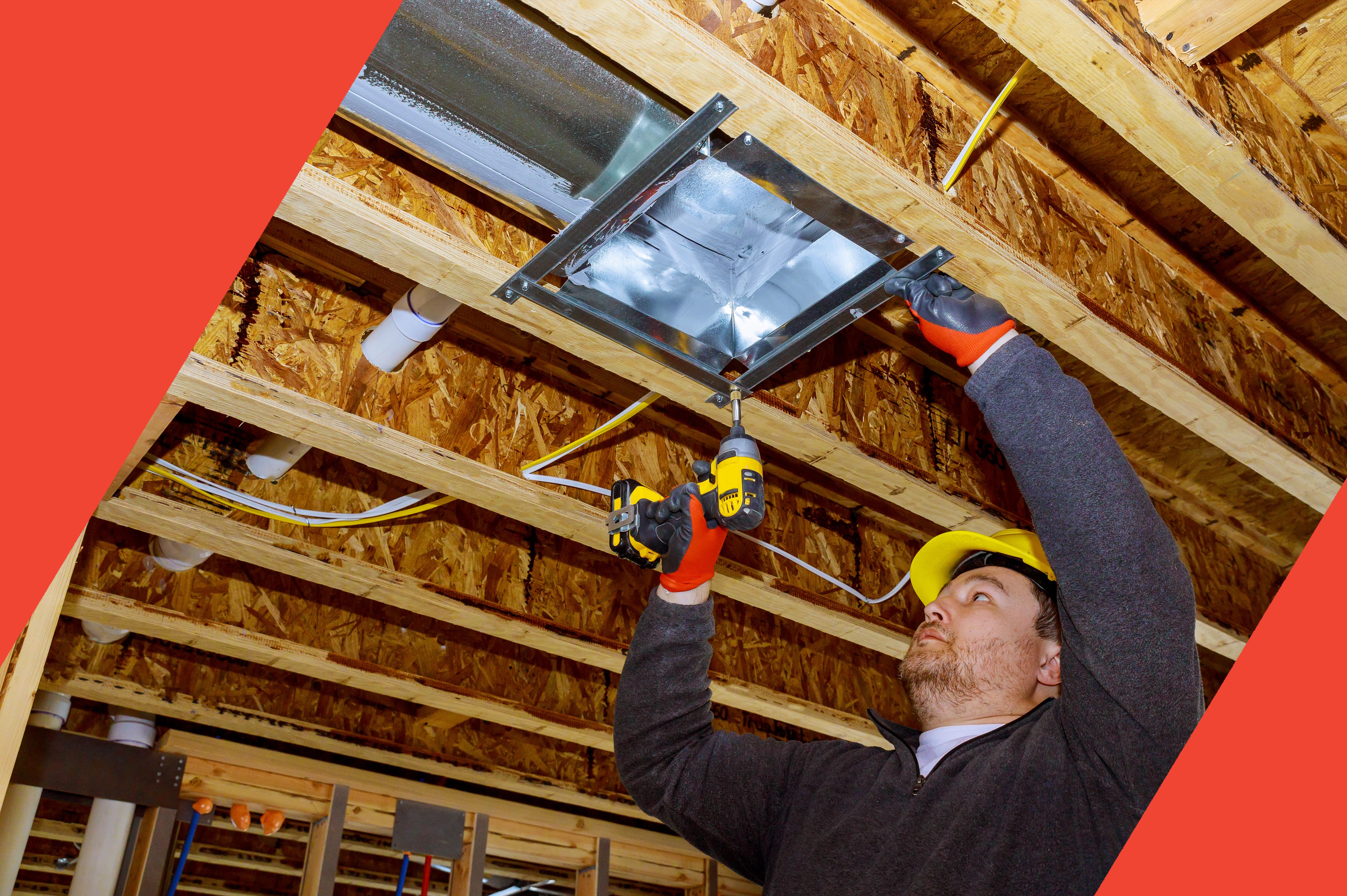
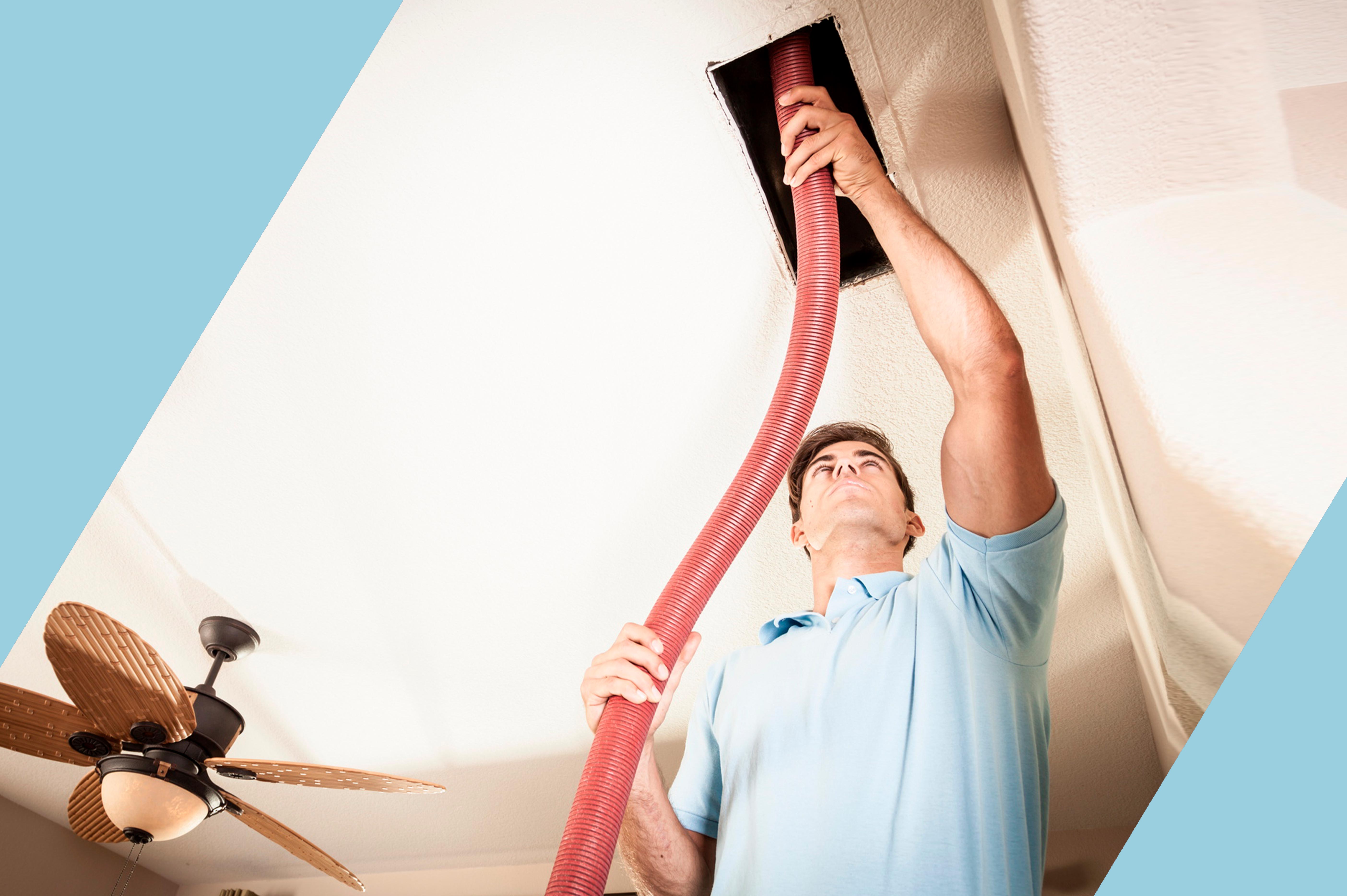
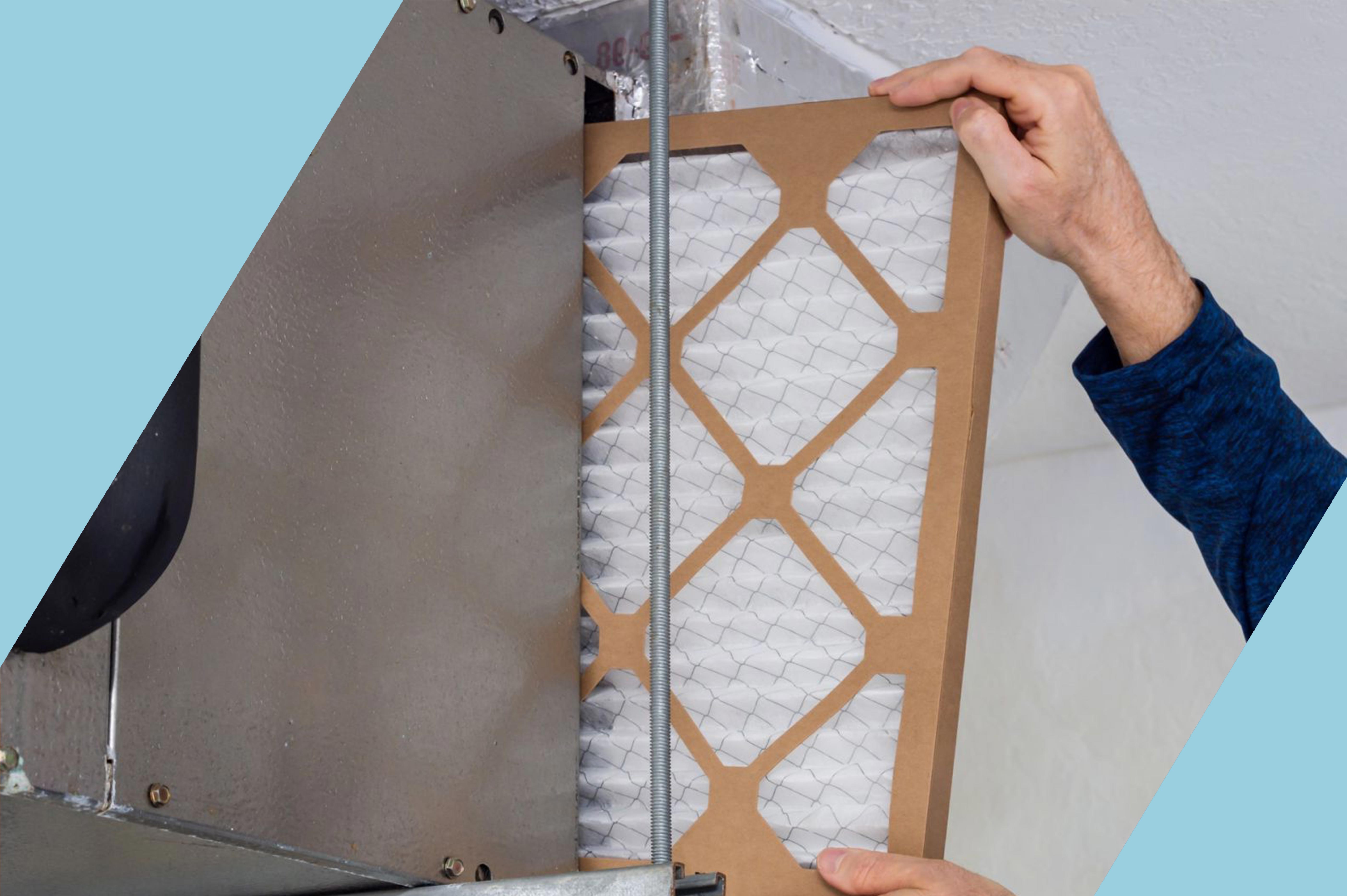
Balanced airflow helps distribute moisture and heat evenly. When ducts remain clean and unobstructed, the system can regulate humidity more effectively. Routine HVAC maintenance ensures filters remain clean and airflow remains consistent. This prevents certain rooms from becoming excessively dry and reduces conditions that contribute to static.
Smart Thermostat and Humidity Control
Modern HVAC systems can integrate humidity monitoring with temperature control. Smart thermostats help maintain steady indoor conditions by adjusting system operation based on humidity levels as well as temperature. Consistent environmental control prevents sharp fluctuations that can cause static buildup.
Everyday Habits That Help Reduce Static
While HVAC improvements provide the most reliable results, small changes inside the home can also help. Using natural-fiber clothing and rugs reduces charge buildup compared to synthetic materials. Placing humidifiers in frequently used rooms can provide temporary relief. Moisturizing skin and keeping houseplants indoors can also increase local humidity slightly. These steps work best alongside HVAC-based solutions rather than replacing them.
When to Consider Professional HVAC Support
If static shocks remain constant throughout winter, you probably have extremely low humidity in your home. That condition affects more than comfort. It can strain your heating system, damage materials, and reduce indoor air quality. An HVAC professional at AMi Home Services can evaluate airflow, humidity levels, and system performance. We may recommend a whole-home humidifier, ventilation improvements, or maintenance services that help stabilize indoor conditions.
Creating a More Comfortable Minnesota Home
Minnesota winters require you to have reliable heating, but warmth alone does not guarantee comfort. Dry air creates static electricity and irritation throughout the season. By managing humidity through HVAC solutions, you can reduce static and create a more balanced indoor environment. At AMi Home Services, we have been providing electrical and HVAC services to the Minneapolis area for more than 30 years, so we know what works for your home. Contact us today for an appointment.