
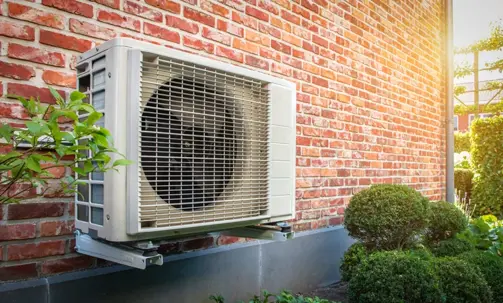
When it comes to keeping your home comfortable throughout the changing seasons, choosing the right HVAC system can feel overwhelming. Two options that often confuse homeowners are heat pumps and traditional air conditioners. While both systems look nearly identical from the outside and rely on similar cooling technology, their overall capabilities are vastly different. Understanding how these systems operate will help you make an informed decision when it is time to upgrade, ensuring you select the ideal heat pump in Minneapolis, MN or cooling setup for your property's year-round needs.
How Cooling Works in Both Systems
To understand their differences, it helps to first look at what heat pumps and air conditioners have in common. During the hot summer months, both systems operate on the exact same basic principle: they do not actually create cold air, but rather extract heat from inside your home and transfer it outdoors.
Refrigerant Cycle: Both units circulate a chemical refrigerant between indoor and outdoor coils to absorb indoor heat and release it outside.
Dehumidification: As warm indoor air passes over the cold evaporator coil, moisture condenses, lowering your indoor humidity levels.
Thermostat Control: Both systems are controlled by a standard home thermostat, efficiently maintaining your desired indoor temperature.
The Key Difference: The Reversing Valve
The primary distinction between the two systems comes down to a single internal component: the reversing valve. While a standard air conditioner can only move heat in one direction—from inside to outside—a heat pump includes a reversing valve that allows the unit to reverse the flow of refrigerant completely.
In the winter, a heat pump automatically reverses direction, drawing ambient heat from the outside air and bringing it indoors to warm your home. Even when outdoor temperatures feel chilly, there is still usable heat energy in the air for the system to harvest. This dual functionality allows a heat pump to serve as a high-efficiency heater in the cooler months and a powerful air conditioner in the summer, eliminating the need for a separate cooling unit.
Which System Is Right for Your Home?
Deciding between a traditional air conditioner and a modern heat pump depends largely on your home's existing heating setup and your overall efficiency goals. If you already have a functional, high-efficiency gas furnace, adding a standard air conditioner to handle summer cooling is often the most straightforward choice.
However, if you want to reduce your reliance on fossil fuels, lower your overall carbon footprint, or consolidate your heating and cooling into a single, highly efficient unit, a heat pump is an outstanding investment. Many homeowners even choose to pair a heat pump with their existing furnace to create a dual-fuel system, maximizing comfort and energy savings no matter how cold it gets outside.
If you are ready to explore your home comfort options, let the experienced team at Air Mechanical guide you through the selection process. Contact us today at (763) 703-2659 for expert advice and seamless installation.